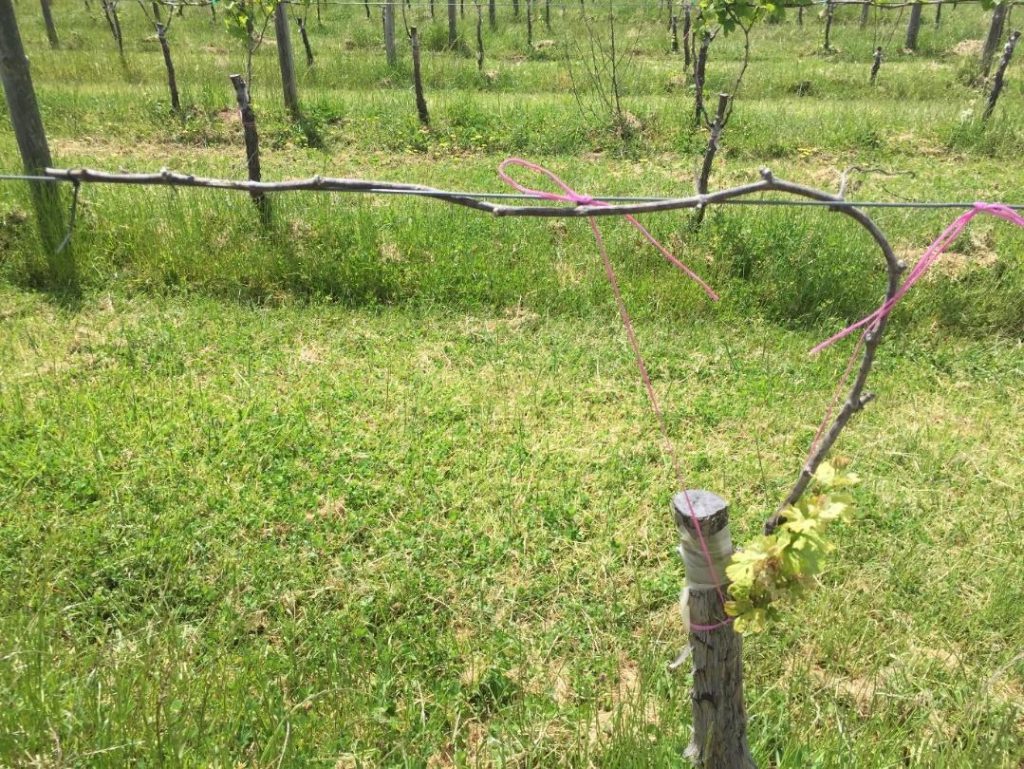
Section 4.5: Post-grafting Management of Vines – Pest and Disease Management

“Field grafting is a great way to change variety or clone and quickly return a vineyard to full productive potential. Field grafters are only partly responsible for the success or failure of field grafting. Understanding what preparation and follow-up is required as a grower to influence the final strike rate is critical. VitiSense provides all the information, techniques, demonstrations and explanations and to ensure your field grafting experience is a positive one”.
Grafted vines are vulnerable to a range of pests and diseases.
Chewing and Machanical Damage
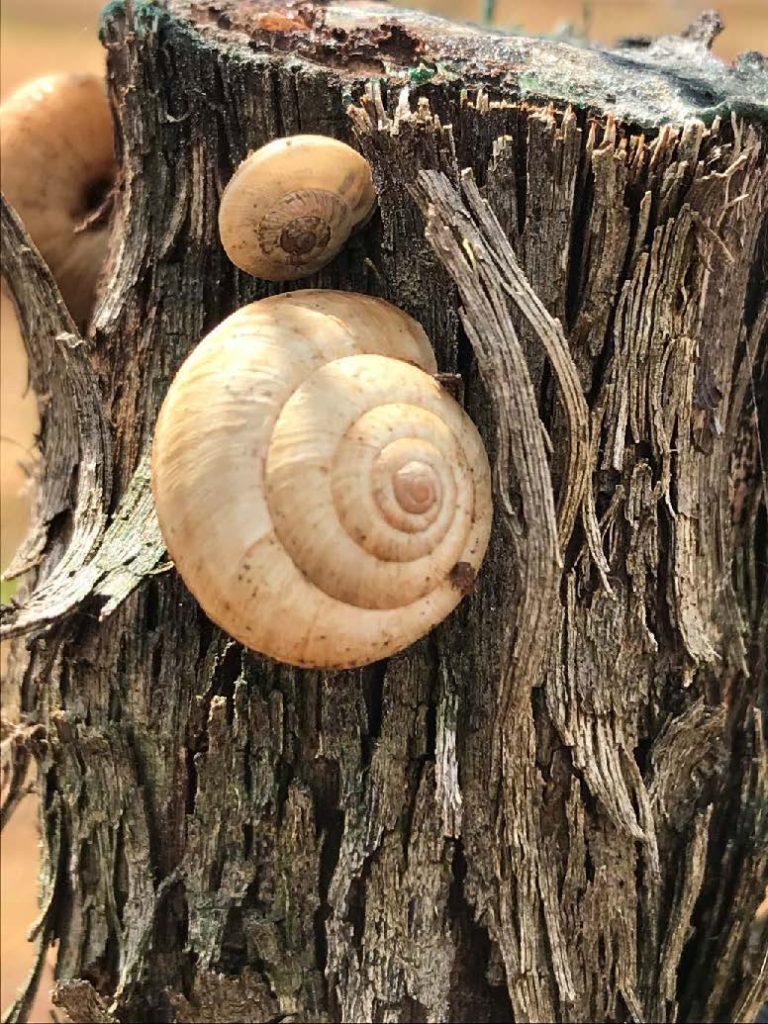
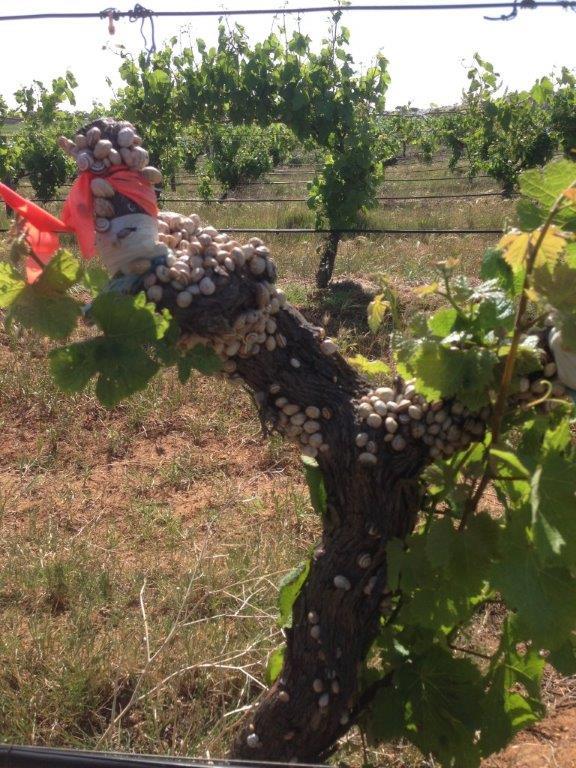
Birds particularly parrots in Australia will chew on grafted shoots and break them. Large animals such as kangaroos, rabbits, hares, sheep, goats and cattle will all chew on grafted shoots. Snails, earwigs and beetles such as Vine weevils and cucculio beetles will also cause damage to grafted shoots and leaves. It pays to be vigilant and examine vines for damage on a regular basis especially when the grafted shoots are establishing themselves on the cordon wire in the first season.
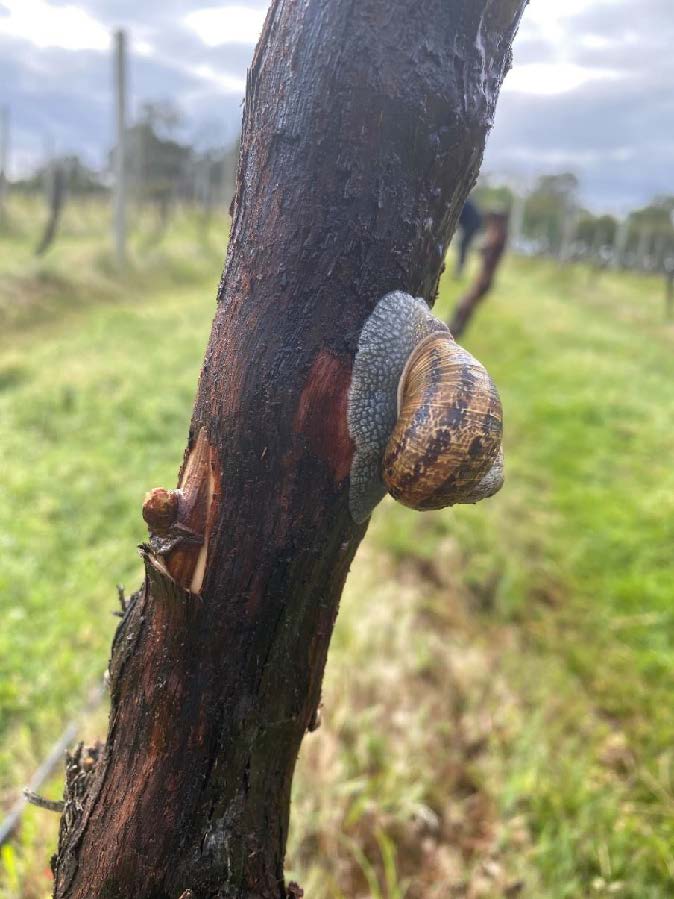
Clean Undervine
A good preventative strategy for minimising damage caused to grafted shoots by snails, earwigs, grasshoppers weevils Etc is to have a “clean” undervine area. Vegetative “trash” provides a harbour for these pests from predators who then move to the grafts and cause damage. A vine sweeper is recommended to clean undervine prior to grafting.
Fungal Pathogens
Once the grafted shoots emerge and become elongated, their green tissue is particularly vulnerable to Powdery mildew infection which will cause the grafted shoots to die completely if left untreated. A preventative fungicide spray is required for both Powdery and Downy Mildew from the first growth of green leaves. Powdery mildew will also remain on grafted canes and cause stunted “flag” shoots the following season which will negatively impact yield. Keep in mind that grafted shoots have a longer growing season than established vines and will retain leaves long into Autumn and even Winter. It is important to maintain protection from late season disease. Leaf Botrytis can also damage emerging leaves from grafts in wet Springs. Varieties such as Chardonnay are more susceptible to leaf botrytis than others. Often leaf Botrytis is kept under control as weather becomes warmer and chemical sprays for control are not required.